Share Nature-Based Solutions (NbS) Plan on FacebookShare Nature-Based Solutions (NbS) Plan on X (formerly Twitter)Share Nature-Based Solutions (NbS) Plan on LinkedinEmail Nature-Based Solutions (NbS) Plan link
Purpose & Vision:
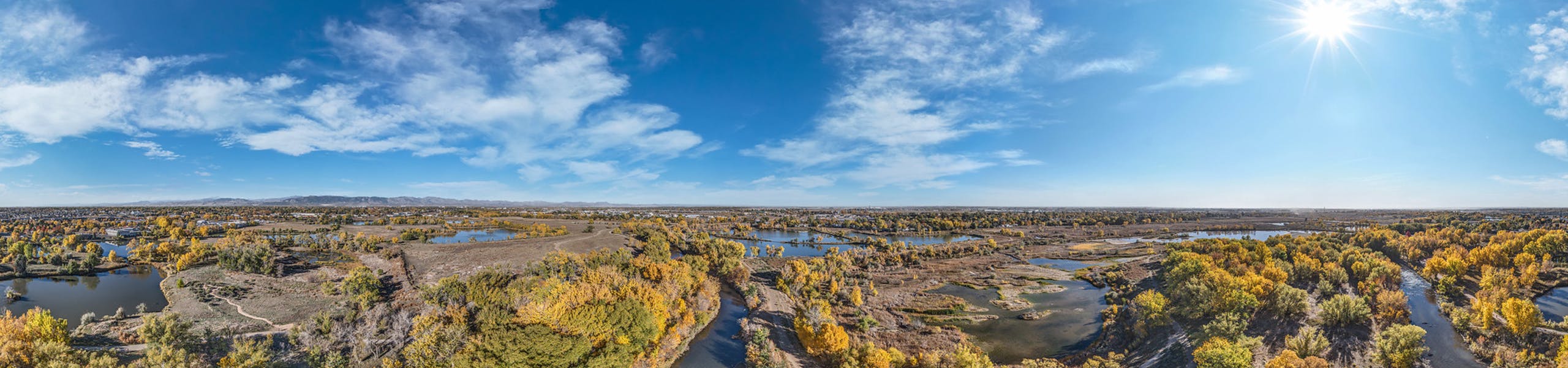
Fort Collins is growing—and with that growth comes new challenges. As our city adds more housing, roads, and development, we risk losing some of the natural features that make this place special: trees, creeks, wetlands, and wildlife habitat.
At the same time, we’re facing bigger storms, more heat, and changing weather patterns. Our stormwater systems, parks, and neighborhoods need to adapt—and nature can help.
The City of Fort Collins is developing a Nature-Based Solutions (NbS) Plan to help include nature in city planning, development, and infrastructure. This plan aims to make our community stronger against climate challenges, improve local ecosystems, and support residents’ health and well-being. The NbS Plan imagines a city where natural areas are restored and connected, working together with urban spaces so everyone can enjoy clean air, water and access to nearby green spaces. By bringing nature into all parts of the city, the plan hopes to build a more inclusive, resilient and sustainable future for everyone.
Goals:
The following goals reflect community-driven priorities:
Enhance Biodiversity and Habitat Connectivity Create connected habitat corridors along drainageways, stormwater basins, and greenways that support wildlife movement and give residents daily access to nature. Restore native plant communities to increase biodiversity and ecological function in response to altered hydrology. Ecological uplift means going beyond standard landscaping to measurably enhance habitat quality and resilience.
Reduce Urban Heat - Expand canopy cover, reduce urban heat, and improve equitable access to greenways, aligned with City Plan, Nature in the City, and the Urban Forestry Strategic Plan.
Improve Stormwater Function Design sites to mimic natural drainage and floodplain functions by infiltrating water and slowing runoff. Reduce runoff and flood risk in denser areas by requiring infiltration and flow control.
Enhance Human–Nature Connections Enhance human–nature connections by integrating accessible, climate-responsive features—such as shade, green streets, and ecologically rich pocket parks—especially in heat-vulnerable areas. Advance ecological equity citywide by measuring and improving outcomes for biodiversity, canopy, hydrology, and co-benefits through transparent, data-driven tracking.
Purpose & Vision:
Fort Collins is growing—and with that growth comes new challenges. As our city adds more housing, roads, and development, we risk losing some of the natural features that make this place special: trees, creeks, wetlands, and wildlife habitat.
At the same time, we’re facing bigger storms, more heat, and changing weather patterns. Our stormwater systems, parks, and neighborhoods need to adapt—and nature can help.
The City of Fort Collins is developing a Nature-Based Solutions (NbS) Plan to help include nature in city planning, development, and infrastructure. This plan aims to make our community stronger against climate challenges, improve local ecosystems, and support residents’ health and well-being. The NbS Plan imagines a city where natural areas are restored and connected, working together with urban spaces so everyone can enjoy clean air, water and access to nearby green spaces. By bringing nature into all parts of the city, the plan hopes to build a more inclusive, resilient and sustainable future for everyone.
Goals:
The following goals reflect community-driven priorities:
Enhance Biodiversity and Habitat Connectivity Create connected habitat corridors along drainageways, stormwater basins, and greenways that support wildlife movement and give residents daily access to nature. Restore native plant communities to increase biodiversity and ecological function in response to altered hydrology. Ecological uplift means going beyond standard landscaping to measurably enhance habitat quality and resilience.
Reduce Urban Heat - Expand canopy cover, reduce urban heat, and improve equitable access to greenways, aligned with City Plan, Nature in the City, and the Urban Forestry Strategic Plan.
Improve Stormwater Function Design sites to mimic natural drainage and floodplain functions by infiltrating water and slowing runoff. Reduce runoff and flood risk in denser areas by requiring infiltration and flow control.
Enhance Human–Nature Connections Enhance human–nature connections by integrating accessible, climate-responsive features—such as shade, green streets, and ecologically rich pocket parks—especially in heat-vulnerable areas. Advance ecological equity citywide by measuring and improving outcomes for biodiversity, canopy, hydrology, and co-benefits through transparent, data-driven tracking.