Neighborhood Connections Program

Share Neighborhood Connections Program on Facebook Share Neighborhood Connections Program on Twitter Share Neighborhood Connections Program on Linkedin Email Neighborhood Connections Program link

Consultation has concluded

Featured: Check out the Disruption Discussion Podcast for an interview with Katherine Bailey about Neighborhood Connections and how connected neighborhoods are more resilient!

And tune in to KRFC at 6pm on Thursday, March 8th for an episode of Community At Work with Katherine Bailey and Mitch Majeski about Neighborhood Connections!


Make yours happier, healthier and safer!

“…every place has people who love it. Find them. Bring them together, ask them for their help. Find what is lovable about your place and make it better.” (Peter Kageyama, For The Love Of Cities)

The health of our community depends first on the relationships with the people closest to us. Friendship with our neighbors keeps us from focusing on differences and becoming isolated, helping to bring together diverse people within a community. The Neighborhood Connections Program supports growing relationships in neighborhoods by educating connectors that start on their own block, bringing people together. It hopes to create more cooperative and lively neighborhoods, while improving access to City services. Through supporting our neighbors while they connect with each other, we take the first step to a healthier, safer, and friendlier Fort Collins.
What is the program?

The core education consists of 9 (no cost) class hours offered at 3 different times over the year, so participants can choose a time that works for them. The series focuses on communication, collaboration, and the basics of neighboring, with tangible goals.

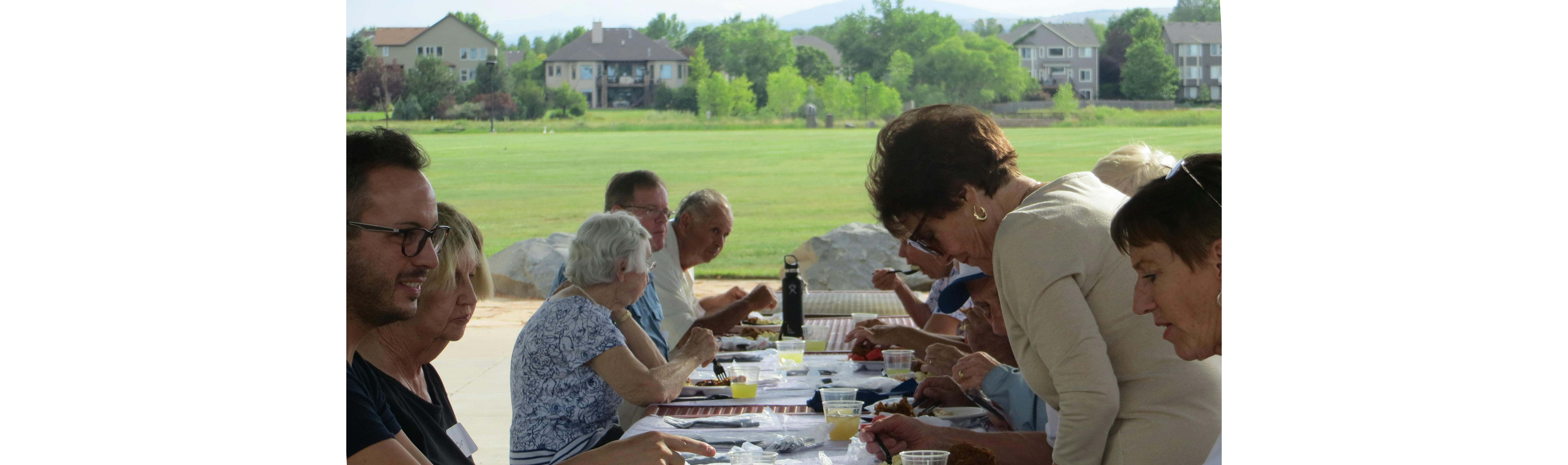
The program will offer you assistance planning and organizing an event or gathering to bring your neighbors together, and will offer grant funding to help make this event possible.


What's next?

Participants have access to (no cost) continuing education classes offered on a monthly basis on a wide variety of topics. Come to as many topics as you'd like; they are always free of charge.

What's coming up in Continuing Education?

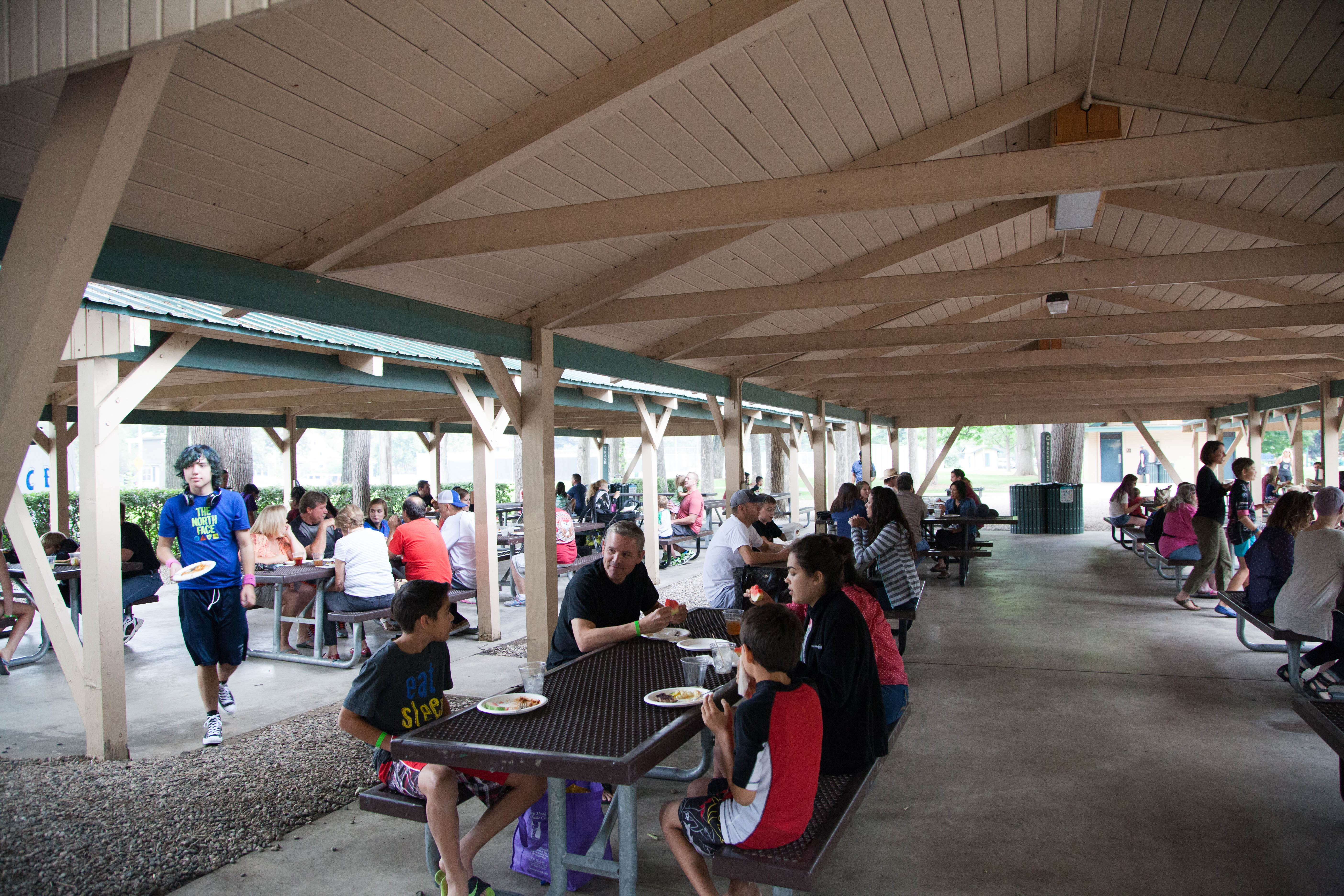
June: A closer look at City Services: FCMoves, Transfort, and Natural Areas. Learn what's being done in your neighborhood! June 14th at Rolland Moore Park, Shelter 2 from 5:30-6:30pm

July: Adopt a Spot programs. Learn how to help keep Fort Collins beautiful! Join us in the Old Town Library Community Room July 18th from 6-8pm.

Find more information at: https://www.fcgov.com/neighborhoodconnections

Featured: Check out the Disruption Discussion Podcast for an interview with Katherine Bailey about Neighborhood Connections and how connected neighborhoods are more resilient!

And tune in to KRFC at 6pm on Thursday, March 8th for an episode of Community At Work with Katherine Bailey and Mitch Majeski about Neighborhood Connections!


Make yours happier, healthier and safer!

“…every place has people who love it. Find them. Bring them together, ask them for their help. Find what is lovable about your place and make it better.” (Peter Kageyama, For The Love Of Cities)

The health of our community depends first on the relationships with the people closest to us. Friendship with our neighbors keeps us from focusing on differences and becoming isolated, helping to bring together diverse people within a community. The Neighborhood Connections Program supports growing relationships in neighborhoods by educating connectors that start on their own block, bringing people together. It hopes to create more cooperative and lively neighborhoods, while improving access to City services. Through supporting our neighbors while they connect with each other, we take the first step to a healthier, safer, and friendlier Fort Collins.

What is the program?

The core education consists of 9 (no cost) class hours offered at 3 different times over the year, so participants can choose a time that works for them. The series focuses on communication, collaboration, and the basics of neighboring, with tangible goals.

The program will offer you assistance planning and organizing an event or gathering to bring your neighbors together, and will offer grant funding to help make this event possible.


What's next?

Participants have access to (no cost) continuing education classes offered on a monthly basis on a wide variety of topics. Come to as many topics as you'd like; they are always free of charge.

What's coming up in Continuing Education?

June: A closer look at City Services: FCMoves, Transfort, and Natural Areas. Learn what's being done in your neighborhood! June 14th at Rolland Moore Park, Shelter 2 from 5:30-6:30pm

July: Adopt a Spot programs. Learn how to help keep Fort Collins beautiful! Join us in the Old Town Library Community Room July 18th from 6-8pm.

Find more information at: https://www.fcgov.com/neighborhoodconnections

Tell your story

How are Fort Collins residents interacting with their neighborhoods and their neighbors?  

Thank you for participating!

CLOSED: This discussion has concluded.

  • Share Building Community in your Neighborhood on Facebook Share Building Community in your Neighborhood on Twitter Share Building Community in your Neighborhood on Linkedin Email Building Community in your Neighborhood link

    Building Community in your Neighborhood

    over 8 years ago
    After joining the City’s Neighborhood Connections program, a few neighbors and I tried to get a neighborhood group started.  After a year of successes and failures, here are some of the lessons that we learned.

    Think Small

    The first event we tried to organize was pretty open ended. We wanted to hold a pot-luck in winter though we had no idea how many people might attend. Should we plan for 20 or 200? Searching for a indoor location for an unknown number of people made things way too complicated and we ended up never holding the ... Continue reading

    After joining the City’s Neighborhood Connections program, a few neighbors and I tried to get a neighborhood group started.  After a year of successes and failures, here are some of the lessons that we learned.

    Think Small

    The first event we tried to organize was pretty open ended. We wanted to hold a pot-luck in winter though we had no idea how many people might attend. Should we plan for 20 or 200? Searching for a indoor location for an unknown number of people made things way too complicated and we ended up never holding the potluck after about 5 months of planning.

    On the other hand, we held a few events where we assumed that only a few people would come. This made planning much easier and it also reined our expectations way in. For the most part these meetings were successful, and though we rarely had more than 10 people, we ended up getting to know new folks each time and our group was small enough that we could easily hold a shared conversation.

    Meetings Should Have Themes, not Agendas

    The last thing people need in their life is one more meeting with a strict agenda. On the other hand, if you announce that you’re holding  a neighborhood meeting but don’t give folks an idea of what you’re meeting about, they’re not going to waste their time on the unknown. So hold themed meetings. They can be about specific neighborhood topics – pedestrian safety, coordinated holiday light displays, or a recent rash of break-ins. Or you can meet around something more general– start a neighborhood knitting group, game night, or gardening meet-up.

    A theme gives people a sense of what to expect without creating too strict of a format. If the conversation wanders away from holiday lights, gardening or pedestrian safety, no worries. You’ll wander back to that eventually, but since there’s no agenda, there’s freedom for conversations to wander as neighbors get to know each other.

    Include Food

    Meeting in a nearby restaurant or bar makes it easier for folks to attend who might not have time to grab dinner between work and the neighborhood gathering. It also means no prep work, no clean up, and the costs of the meeting get equitably shared. If you don’t know how many people to expect, then try to plan the event at a time when the restaurant or bar will have room for your group to expand if needed. In other words, don’t meet at peak hours when the place is probably going to be full.

    Success!

    Even if you’re never able to improve pedestrian safety, you find out that no one knits, and it turns out that the restaurant you thought would be nearly empty was completely packed, as long as some folks in the neighborhood met some other folks from the neighborhood that they didn’t know before, your meeting was a success. Pat yourself on the back.

    Perhaps the most important thing I learned from this past year is that you don’t have to have an official neighborhood organization to build community in your ‘hood. You just need to have an idea, put out a call, and see who shows up. Every positive interaction between neighbors is a step towards building community. Keep the planning simple, gather around an idea, include food, and measure success through relationships.